
How many different types of tea are there? It’s a great question and not one that can be answered with any degree of accuracy. The number of plants from which tea is derived is easier to count. It’s one – Camellia sinensis (though there are several varieties).From this humble plant we get five main types of tea – black, green, oolong, white, puerh. The difference between types of tea primarily derives from how the leaves are processed.
- Black Tea – Black tea (which the Chinese refer to as red tea) undergoes the most oxidization, which allows leaves to take on oxygen and makes for a more robust flavor. The bulk of the world’s black tea is produced in India, Africa and Ceylon.

- Green Tea – Green tea leaves, however, are not oxidized. The leaves are simply withered and dried, which imparts a flavor often described as vegetal or grassy and which is thought to retain more health-giving properties. The world’s most notable green teas are produced in China and Japan.

- Oolong Tea – Oolong tea is grown mostly in Taiwan and China. Oolong tea typically falls somewhere between black and green when it comes to processing. Some oolong teas are lightly processed and have a taste that’s closer to green, though often with floral notes. Others are much closer to black tea, with smoky or earthy notes.

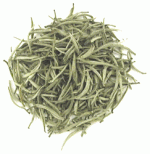
- White Tea – The best, rarest, and most expensive white teas are produced in China, most notably in Fujian province. Quality white tea is made from only the finest leaves of the tea plant. Leaves are subjected to even less processing than green tea, resulting in a very delicate flavor.
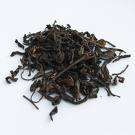
- Puerh – Puerh (a word with a bewildering variety of alternate spellings) is beloved by tea connoisseurs and collectors and has become more popular in recent years outside of China, where it originates in Yunnan province. With a strong, earthy flavor, it can be an acquired taste for some tea drinkers. The complexities of puerh don’t lend themselves to summarization, so for more information, start here: http://www.pu-erh.net/



 Tea Blog
Leave a comment